
Latest News & Articles
The Role of Graphic Design in Building a Consistent Brand
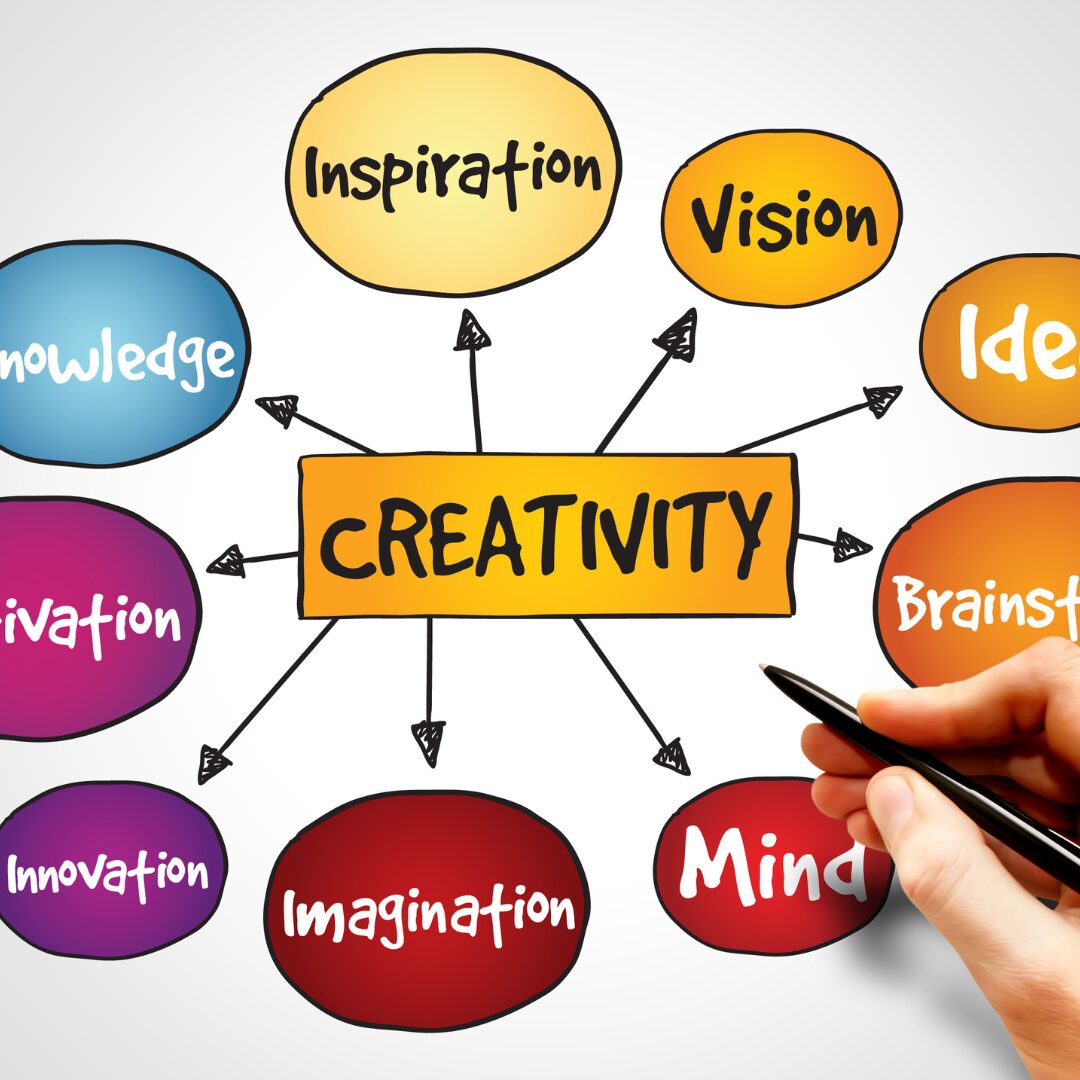
Graphic design is not only about colors, shapes, or typography. It is about creating a visual framework that represents the brand’s values while enabling consistent recognition across every platform. Strategic graphic design has become a cornerstone of corporate identity, connecting diverse marketing channels through one coherent visual story. For enterprises aiming to stand out in competitive markets, the business value of design cannot be understated. A well-crafted design system provides clarity, recognition, and trust.
To understand why graphic design is a business asset, one must see it through the lens of brand consistency. Every customer interaction, whether on a website, an email newsletter, or a product package, adds to a larger impression. If each interaction feels disconnected, customers lose confidence in the brand. However, when graphic design reinforces a cohesive corporate visual identity across all touchpoints, it strengthens brand equity. Strategic design for enterprise brands means aligning every visual choice with the company’s mission, tone, and target audience.
Corporate visual identity best practices emphasize intentionality. This means defining not only logos and fonts but also imagery guidelines, illustration styles, and even the way data visualizations are presented. Design for multi-touchpoint brand experience ensures that whether a customer sees an ad on social media, a trade show booth, or a corporate report, they instantly recognize the brand’s presence. This kind of recognition builds subconscious trust and fosters loyalty. Strategic graphic design, therefore, moves far beyond ornamentation, it becomes a critical driver of sustainable growth.
Building Customer Trust Through Visual Consistency
Trust in brands does not appear overnight. It is built through repeated, consistent, and professional impressions that convey reliability and credibility. Graphic design plays a direct role in shaping these impressions. When audiences encounter a uniform look across digital and physical experiences, they associate that consistency with stability. Customers are more likely to invest their time and money in a brand that appears steady and professional.
Design is not just about logos but about experiences. The role of design in brand consistency involves crafting guidelines that extend to tone of voice, spacing, color balance, and hierarchy. For instance, an enterprise brand may use a signature shade of blue, not only in its advertising campaigns but also in its presentations, packaging, and office interiors. This visual unity gives customers confidence that the company is intentional and detail-oriented.
In many ways, design builds customer trust and loyalty more effectively than slogans or taglines. A well-executed visual system reassures customers that they are interacting with a reliable entity. Brands that maintain consistency in visual identity communicate respect for their audience’s time and attention. Conversely, inconsistency in design creates doubt, often signalling internal disorganization or lack of focus. Strategic graphic design removes those doubts, replacing them with clarity and reassurance. For growing brands, the strategic value of design lies in its ability to create long-lasting emotional connections through consistent visual storytelling.
Corporate Visual Identity as a Strategic Asset
Corporate visual identity is not static; it evolves as brands scale. While a startup may begin with a simple logo and color palette, mature enterprises require more sophisticated design frameworks. These frameworks include detailed brand guidelines, adaptable templates, and systems that ensure design cohesion across global teams. Corporate visual identity best practices focus on adaptability without compromising consistency. For example, a multinational corporation must account for cultural nuances in imagery and typography while maintaining the same overarching design language.
The business value of design becomes most visible when analyzing the cost of poor execution. Companies that neglect design consistency often spend more resources correcting confusion than they would have spent implementing a strong system in the first place. Strategic graphic design saves both money and reputation by preventing misalignment before it reaches the public. Design for multi-touchpoint brand experience ensures efficiency by creating reusable assets and clear brand playbooks that every employee and partner can follow.
In this sense, strategic design for enterprise brands functions as a unifying language. It bridges marketing, communications, sales, and even internal culture. A strong corporate visual identity reminds employees that they are part of a bigger mission and assures customers that they are engaging with a brand that values coherence. Strategic graphic design is not just a visual layer; it is a business framework that binds every aspect of the brand together.
Graphic Design ROI: Proving the Value of Creativity
Measuring the return on investment in design may sound challenging, but businesses are increasingly finding ways to link creativity to financial performance. Graphic design ROI can be evaluated by measuring changes in conversion rates, customer retention, and lead generation directly tied to improved design assets. For instance, a well-designed landing page often converts significantly more visitors than one with poor visual hierarchy.
The cost of poor design is substantial. Disorganized layouts, inconsistent branding, and amateur visuals lead to lost opportunities. Prospects who encounter unprofessional visuals may abandon a brand entirely, doubting its credibility. In contrast, high-quality, consistent design creates a professional perception that fuels long-term customer loyalty. Studies show that companies investing in design-led strategies outperform competitors in both revenue and customer satisfaction.
Visual design for lead generation has become particularly important in B2B industries. Corporate buyers, much like consumers, respond to design quality as a reflection of organizational competence. A cohesive design language applied across presentations, proposals, and marketing materials increases the likelihood of securing new contracts. In this way, graphic design becomes not just a creative function but a measurable growth driver.
How Design Impacts Marketing Performance
Graphic design directly impacts marketing performance by influencing both perception and engagement. The financial impact of branding and design is seen in how effectively campaigns capture attention and drive action. A campaign with strong visual storytelling resonates more deeply than one that relies solely on text. Audiences process visuals faster than words, making design one of the most powerful levers in marketing strategy.
High-ROI design examples abound. A redesign of a company’s website with better navigation and a stronger visual identity can double or triple conversion rates. Likewise, consistent branding across social media improves recognition, leading to higher engagement rates. Cost-effective graphic design strategies, such as using standardized templates or implementing a centralized brand hub, ensure these benefits without exhausting resources.
Return on investment in design extends beyond customer-facing campaigns. Internal communications, investor presentations, and even recruitment efforts benefit from professional design. Prospective employees and investors often judge organizations by the polish of their visual identity. A well-designed corporate report or presentation signals competence and attention to detail, influencing key decisions in the company’s favor.
The Cost of Poor Graphic Design: Risks for Growing Brands
Brands that underestimate design risk undermine their long-term credibility. The cost of poor design includes diminished trust, lower engagement, and increased marketing spend required to repair mistakes. For small businesses especially, inconsistent or unprofessional design creates barriers to growth. Customers interpret visual disarray as a reflection of operational disorganization, making them less likely to return.
Graphic design for B2B lead generation also highlights this risk. If proposals, pitch decks, and collateral lack consistency, clients may question the company’s reliability. In contrast, strategic graphic design demonstrates professionalism at every stage of the customer journey. It shows that the company is serious about detail, communication, and delivery.
The role of design in brand consistency cannot be overstated. Brands live and breathe through touchpoints, and each touchpoint reinforces or weakens reputation. When design communicates professionalism consistently, brands grow faster and retain customer loyalty. The strategic value of design becomes evident when organizations compare the opportunity costs of weak visuals against the measurable benefits of strong ones.
Conclusion: Design as a Long-Term Business Investment
The role of graphic design in building a consistent brand across touchpoints extends far beyond visual polish. It is about strategy, trust, and measurable performance. Strategic graphic design reinforces corporate visual identity, ensuring that customers recognize and remember the brand across every platform.
From shaping first impressions to driving lead generation, design functions as both a business asset and a growth driver. Companies that understand the business value of design invest in consistency, knowing that every customer interaction contributes to long-term trust and loyalty. Whether for small businesses or global enterprises, design is not a cost center but a revenue enabler.
Graphic design ROI is increasingly measurable, proving that creativity has direct financial benefits. The cost of poor design, meanwhile, can cripple even the most promising ventures. In today’s multi-touchpoint marketplace, brands cannot afford inconsistency. The future belongs to organizations that embrace design as a strategic pillar of their identity.