
Latest News & Articles
The Ultimate Guide to Database Marketing
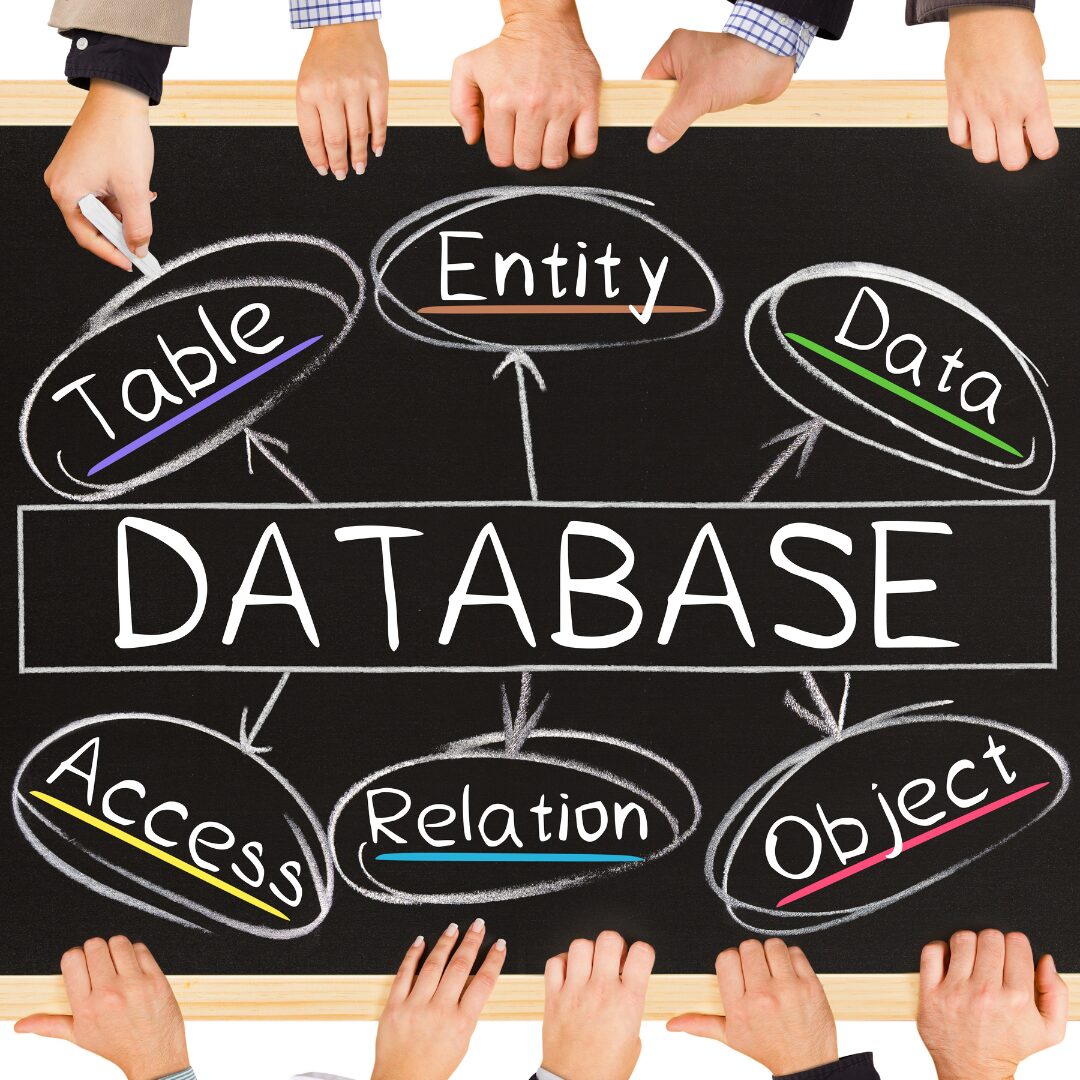
The primary advantage that marketing departments carry today is the unprecedented access to data that previous generations were not privy to. Traditional marketing methods are no longer enough to capture customer attention. Consumers expect brands to understand their needs, anticipate their preferences, and communicate in ways that feel personal and timely. This is where database marketing emerges as a game-changer.
Database marketing is not just about collecting data, it’s about turning that data into meaningful customer experiences. By leveraging information such as demographics, purchase history, behavioral trends, and even feedback, businesses can design smarter campaigns that resonate with individual customers rather than anonymous audiences. Whether you’re a small business trying to maximize a lean marketing budget or a growing brand aiming to scale your personalization efforts, database marketing enables more efficient, strategic, and customer-centric marketing.
In this guide, we’ll explore everything from the core benefits of database marketing to the tools, data types, best practices, and future trends you need to know to stay competitive. You’ll learn how to build a strategy from the ground up and navigate common challenges with confidence.
What is Database Marketing
Database marketing is the practice of collecting, analyzing, and using customer data to deliver targeted marketing messages and campaigns. It involves gathering information such as demographics, purchase history, behavioral data, and customer preferences to craft personalized experiences that drive conversions and long-term loyalty. Unlike generic mass marketing approaches, database marketing is precise, data-driven, and customer-focused.
It is not limited to acquiring customers. It extends across the entire customer lifecycle, supporting acquisition, retention, loyalty, and reactivation strategies. At its core, database marketing seeks to understand the individual customer, enabling one-to-one marketing at scale. As customer data becomes more sophisticated, the potential of database marketing continues to grow.
Database Marketing Explained for Small Businesses
Small businesses can especially benefit from database marketing due to its cost-effectiveness and personalization capabilities. With limited marketing budgets and the need to build strong community ties, database marketing allows small businesses to segment their audiences accurately and tailor offerings that resonate with different customer groups. Whether through email campaigns, SMS promotions, or loyalty programs, small businesses can deepen customer relationships and increase retention.
For example, a local bakery can maintain a database of regular customers, tracking birthdays, favorite items, and purchase frequency. With this information, they can offer personalized discounts, notify customers of new arrivals they might like, or send reminders for seasonal treats. This type of direct and relevant communication is highly effective in generating repeat business.
By focusing on local data and customer behavior, small businesses can create highly targeted campaigns that yield strong results. The key lies in maintaining an organized and updated database and using it to deliver timely and valuable messages to customers.
Benefits of Database Marketing for Customer Outreach
Database marketing offers companies a powerful way to connect with their audience more efficiently and effectively. By leveraging customer data, businesses can create highly targeted campaigns that speak directly to individual needs and preferences. This precision not only improves engagement rates but also maximizes the return on marketing investments by focusing resources where they are most likely to generate results.
Enhanced Personalization
Database marketing enables businesses to understand customer preferences on a deeper level. With this knowledge, companies can deliver content that resonates with individual interests. Personalized recommendations and targeted offers not only increase customer satisfaction but also drive higher engagement and sales.
Increased Return on Investment (ROI)
Data-driven marketing campaigns are inherently more efficient. By using customer data to identify the most promising segments, marketers can allocate their resources to high-value customers and the most effective channels. This focused approach leads to reduced waste and a higher return on investment.
Improved Customer Retention
When businesses maintain ongoing communication that is relevant and timely, customers are more likely to stay engaged. This sustained interest fosters loyalty and encourages repeat purchases, strengthening long-term relationships.
Efficient Segmentation
Database marketing allows for detailed segmentation of the customer base. Businesses can group customers according to shared characteristics such as behavior, location, age, or preferences. This makes marketing efforts more strategic and effective, as messages can be tailored to the specific needs of each segment.
Stronger Customer Insights
By regularly analyzing customer data, businesses gain a deeper understanding of buying patterns and preferences. These insights support predictive modeling and more accurate forecasting, allowing for better decision-making and more refined marketing strategies.
Better Product Development
The data gathered through marketing efforts can serve as a valuable feedback loop for product development. Insights into customer needs and preferences can guide improvements, inspire new features, and help businesses innovate more effectively.
Cost Efficiency
Targeting customers who are most likely to convert reduces the overall cost per acquisition. This selective approach ensures that marketing budgets are used efficiently, maximizing the impact of each campaign.
Support for Omnichannel Strategies
A centralized marketing database supports consistent communication across multiple platforms, including social media, SMS, email, and mobile apps. This coordination ensures a seamless customer experience, regardless of the channel used.
Strategic Value of Database Marketing
The strategic value of database marketing lies in its ability to turn raw data into actionable insights. It empowers businesses to:
- Anticipate customer needs and trends
- Develop customized product offerings
- Improve customer lifecycle management
- Optimize marketing spend
- Enhance cross-sell and upsell opportunities
- Measure the success of marketing initiatives with precision
When integrated with Customer Relationship Management platforms, data warehouses, and analytics tools, database marketing becomes the foundation for strategic marketing decisions and competitive differentiation.
Furthermore, it contributes to greater agility in responding to market dynamics. With real-time insights into customer behavior, businesses can pivot their campaigns quickly, test new approaches, and adapt messaging without costly delays. Strategic database marketing also allows companies to align their marketing, sales, and customer service efforts, leading to improved customer experiences and loyalty.
Difference Between Database and Email Marketing
Although often used interchangeably, database marketing and email marketing are distinct practices. Email marketing refers specifically to sending marketing content via email, while database marketing encompasses a broader approach that uses customer data to inform marketing decisions across multiple channels including email, social media, direct mail, and SMS. Database marketing also includes data analysis, segmentation, and predictive modeling which go far beyond the reach of traditional email marketing.
Database marketing is the strategic umbrella under which email marketing may operate. For example, a database may identify that a specific customer prefers shopping on weekends. While email marketing may send a promotional coupon on a Friday, it is database marketing that identifies the timing, the content, and the specific offer based on data trends.
Why Database Marketing Matters for Growing Brands
As brands expand, their customer bases diversify and expectations increase. Database marketing ensures that marketing efforts scale effectively without losing relevance. It enables growing brands to:
- Maintain personalized communication at scale
- Build trust through consistency and transparency
- Streamline sales and service processes
- Make data-backed business decisions
- Align marketing with customer lifecycle stages
- Create customized loyalty and reward programs
With increased brand awareness, the volume of customer data also grows. Harnessing this data through a robust database marketing strategy prevents fragmentation and supports brand coherence. For growing brands, this coherence ensures consistent messaging across touchpoints, improved customer satisfaction, and measurable impact from marketing investments.
How to Build a Database Marketing Strategy
A well-executed database marketing strategy allows businesses to connect with customers in a more personalized and data-driven way. By leveraging customer data, companies can create targeted campaigns that resonate with specific audiences, improve customer retention, and drive measurable results. Whether you’re starting from scratch or refining your existing approach, the following steps will help you build a strong foundation for effective database marketing.
Define Clear Objectives
The first step in building a successful database marketing strategy is to establish specific goals. Whether the aim is to increase sales, improve customer retention, or expand into new markets, having clearly defined objectives provides direction and helps measure success.
Collect and Organize Data
Effective database marketing relies on accurate and comprehensive data. Gather information from all customer touchpoints such as website visits, purchases, customer service interactions, and social media activity. Using a Customer Relationship Management (CRM) system helps centralize this data and ensures it’s organized, accessible, and actionable.
Segment Your Audience
Once the data is in place, divide your audience into meaningful segments. Group customers based on factors like demographics, behavior, preferences, and purchase history. This segmentation allows you to create more targeted and relevant marketing efforts that resonate with each group.
Develop Targeted Campaigns
With segmented data, you can craft personalized campaigns tailored to the specific needs and interests of each audience group. Marketing automation tools make it easier to schedule, deliver, and track these campaigns efficiently, improving both consistency and effectiveness.
Use Multi-Channel Distribution
Reach your customers where they’re most active by distributing campaigns across multiple channels. Whether it’s email, SMS, direct mail, or social media, using a variety of platforms ensures broader reach and reinforces messaging across touchpoints.
Test and Optimize
Continuously refine your strategy through testing and analysis. A/B testing different elements of your campaigns, reviewing performance metrics, and gathering customer feedback help identify what’s working and where improvements are needed. Ongoing optimization leads to better results over time.
Ensure Data Compliance
Adhering to data protection regulations such as the GDPR or CCPA is essential. Not only does compliance help avoid legal issues, but it also builds trust with customers by demonstrating that their personal information is handled responsibly.
Leverage Predictive Analytics
Use machine learning and predictive analytics to anticipate future customer behavior. These insights allow you to proactively tailor your offerings, recommend products, and time communications for maximum impact, increasing the likelihood of conversion.
Train Teams and Build Capabilities
Your database marketing strategy is only as strong as the people implementing it. Ensure that marketing, sales, and customer service teams understand how to use the database effectively and draw actionable insights from it. Promoting cross-functional collaboration enhances coordination and contributes to overall success.
Types of Data Used in Database Marketing
To build effective, personalized marketing campaigns, businesses need to understand who their customers are, what they do, and what they care about. Database marketing relies on various types of customer data, each offering unique insights that help tailor messages, optimize timing, and choose the right channels. Below are the key types of data that form the foundation of a strong database marketing strategy.
Demographic Data
Demographic information provides the basic profile of your audience, including age, gender, income level, and geographic location. This data helps define who your customers are and allows for broad segmentation based on shared characteristics.
Transactional Data
Every customer purchase leaves a digital footprint. Transactional data includes details such as purchase history, average order value, and buying frequency. These insights help marketers understand purchasing behavior and predict future buying patterns.
Behavioral Data
Behavioral data tracks how users interact with your brand online. It covers website activity, click-through rates, email engagement, product views, and more. This type of data helps identify customer interests and intent, allowing for highly targeted messaging.
Psychographic Data
Going beyond surface-level traits, psychographic data dives into a customer’s interests, values, lifestyle, and attitudes. This information is key to shaping messaging that resonates on an emotional or personal level, often making campaigns more persuasive.
Customer Feedback
Direct input from customers provides invaluable context to other forms of data. Reviews, survey responses, and interactions with customer service offer qualitative insights that reveal satisfaction levels, pain points, and expectations.
Technographic Data
Understanding the technology customers use helps optimize how and where you reach them. Technographic data includes information on device preferences, browser types, operating systems, and overall technology adoption. This supports more seamless and compatible user experiences.
Geolocation Data
Real-time location data enables hyper-localized marketing. Knowing where your customers are allows you to deliver offers and messages that are relevant to their physical context, such as promoting a nearby store or adjusting content based on regional preferences.
Database Marketing Tools and Platforms
To execute a successful database marketing strategy, businesses need the right mix of tools to collect, organize, analyze, and act on customer data. These platforms not only streamline marketing operations but also enhance personalization, improve campaign performance, and support data-driven decision-making. Below are the core categories of tools used in database marketing, along with what they do and how they fit into the broader strategy.
Customer Relationship Management (CRM) Systems
CRM systems like Salesforce, HubSpot, and Zoho serve as the central hub for storing and managing customer information. These platforms track interactions across the customer lifecycle, help organize contact details, and support personalized outreach based on historical behavior and preferences.
Email Marketing Platforms
Platforms such as Mailchimp and Klaviyo specialize in managing and sending email campaigns to targeted segments. These tools offer features like A/B testing, automation workflows, and performance tracking, making it easier to deliver relevant content that aligns with each customer’s interests.
Data Analytics Tools
Data analytics tools, including Google Analytics and Tableau, help businesses interpret large volumes of customer data. These platforms provide insights into user behavior, campaign performance, and website engagement, allowing marketers to refine their strategies based on real-time data.
Marketing Automation Tools
Solutions like Marketo and ActiveCampaign enable automated campaign delivery based on customer actions or timelines. From welcome emails to re-engagement sequences, automation tools ensure consistent communication without manual intervention, boosting efficiency and responsiveness.
Data Management Platforms (DMPs)
DMPs are designed to collect and organize data from multiple sources for advanced audience segmentation. These tools help marketers build detailed customer profiles, enabling more precise targeting across various channels, particularly in programmatic advertising.
Customer Data Platforms (CDPs)
CDPs offer real-time data integration from multiple systems such as CRM, website, and apps, into a single customer view. They allow for more agile and responsive marketing by providing up-to-date insights that can be used to tailor interactions across channels.
Business Intelligence (BI) Tools
Business intelligence tools are used for in-depth forecasting, trend analysis, and reporting. These platforms support strategic planning by helping teams visualize performance metrics, identify patterns, and make informed, data-backed decisions.
Best Practices for Successful Database Marketing
To get the most value out of your database marketing efforts, it’s essential to follow proven best practices that keep your data actionable, secure, and aligned with your broader marketing and business objectives. These foundational practices not only support effective campaign execution but also help build stronger customer relationships over time.
Keep Data Clean and Updated
Regularly maintaining your database ensures that the information you rely on is accurate and relevant. Outdated or duplicate records can lead to missed opportunities, wasted resources, and poor customer experiences. A consistent data hygiene process helps you reach the right audience with the right message.
Prioritize Data Security and Privacy
In today’s digital landscape, customers expect their personal information to be handled responsibly. Adhering to data privacy standards and implementing robust security measures are critical for maintaining trust and ensuring compliance with regulations such as GDPR and CCPA.
Monitor Key Performance Metrics
Tracking the right metrics is vital to understanding the impact of your marketing efforts. Monitoring indicators like open rates, conversion rates, and customer lifetime value allows you to evaluate what’s working, identify areas for improvement, and optimize future campaigns.
Focus on Long-Term Relationships
Rather than chasing quick wins, database marketing should emphasize long-term customer relationships. By consistently delivering value and relevance, you build loyalty and increase the likelihood of repeat business and advocacy.
Align Strategy with Business Goals
Your database marketing strategy should not exist in a vacuum. It must align with the broader objectives of your organization, whether that’s revenue growth, customer retention, or market expansion. Strategic alignment ensures your marketing efforts contribute directly to business success.
Establish a Data Governance Framework
A clear data governance framework defines how data is collected, stored, accessed, and used across your organization. This ensures consistency, accountability, and quality control, while also helping you stay in compliance with evolving data regulations.
Integrate Data Sources
Breaking down data silos is key to gaining a holistic view of your customers. Integrating data from different systems, such as CRM platforms, web analytics, and customer service tools enables smarter segmentation, better personalization, and more cohesive messaging.
Challenges and Considerations
While database marketing offers powerful advantages, it also comes with its own set of challenges. Being aware of these potential roadblocks can help you plan effectively and avoid common pitfalls.
Data Overload Can Hinder Segmentation
With vast amounts of data available, it’s easy to become overwhelmed. Without the right tools and processes in place, organizing this data into meaningful segments becomes difficult, leading to diluted or ineffective marketing efforts.
Complex Data Integration
Combining data from various platforms and sources can be technically challenging. It often requires custom solutions or advanced tools to unify systems in a way that delivers timely and accurate insights.
Ongoing Compliance Obligations
Maintaining compliance with international data protection laws is not a one-time task, it demands ongoing attention. Regulations change frequently, and businesses must remain vigilant to avoid fines and maintain customer trust.
Risk of Over-Personalization
While personalization is a cornerstone of database marketing, going too far can feel invasive. It’s important to strike a balance by offering relevant content without making customers feel like their privacy is being compromised.
The Impact of Outdated or Incorrect Data
Relying on inaccurate data can misguide your campaigns, causing you to miss key opportunities or even alienate customers. Frequent audits and validation processes help ensure your data remains a reliable asset.
Building a Data-Driven Culture Takes Time
Successfully leveraging data requires more than just tools, it involves training your team and fostering a culture that values data-driven decision-making. This shift often takes time, investment, and leadership support, but it pays off in long-term performance gains.
Future Trends in Database Marketing
As technology continues to evolve, so does the potential of database marketing. Emerging tools and shifting consumer expectations are reshaping how businesses collect, analyze, and use data to engage with their audiences. Staying ahead of these trends will be critical for marketers who want to remain competitive and deliver meaningful, personalized experiences. Here are the key trends expected to shape the future of database marketing.
AI and Machine Learning
Artificial intelligence and machine learning will take personalization and predictive analytics to a new level. These technologies will allow marketers to analyze vast datasets faster and more accurately, making it possible to predict customer behavior, recommend products, and optimize campaigns in real time with minimal human intervention.
Real-Time Personalization
Rather than relying solely on historical data, marketers will increasingly tailor content based on real-time user behavior. This means customers will receive offers, messages, and content that respond instantly to their current interests and actions, creating a more dynamic and relevant experience.
Voice and Chat-Based Interfaces
The growing use of voice assistants and chatbots will open up new channels for customer interaction. These interfaces not only enhance convenience but also generate valuable data from natural language interactions, helping marketers better understand customer intent and preferences.
Greater Emphasis on Data Ethics
As data privacy becomes a central concern for consumers, ethical data practices will play a more prominent role in marketing strategies. Customers will expect transparency, control over their personal information, and accountability from brands. Marketers will need to build trust through clear privacy policies and responsible data usage.
Integration with IoT Devices
With the increasing adoption of smart devices, the Internet of Things (IoT) will provide new streams of behavioral data. From smart refrigerators to fitness trackers, these devices can offer insights into user habits and preferences, enabling hyper-personalized marketing that fits seamlessly into daily life.
Decentralized Data Storage
Technologies like blockchain and decentralized databases may transform how customer data is stored and protected. These systems offer enhanced security, greater transparency, and the potential for users to retain more control over their data, reshaping the relationship between brands and consumers.
Augmented Reality Experiences
Augmented reality (AR) will open the door to immersive, data-driven marketing experiences. By integrating customer profiles and behavior data, brands can deliver AR campaigns that are not only visually engaging but also tailored to individual users, deepening engagement and brand connection.
Conclusion: Turning Data into Long-Term Value
As we’ve seen throughout this guide, database marketing is far more than a technical process, it’s a strategic approach to building meaningful, data-informed relationships with your customers. By understanding who your customers are, what they value, and how they interact with your brand, you can craft marketing that not only performs better but feels more human.
For small businesses, database marketing can level the playing field, enabling personalized engagement at a low cost. For growing brands, it ensures consistency, scalability, and relevance at every stage of the customer journey. And for all marketers, it offers a way to align creativity with precision by bringing together technology, insights, and empathy.
Looking ahead, the rise of AI, real-time personalization, and ethical data practices will only make database marketing more powerful and more essential. The brands that succeed won’t just collect data, they’ll know how to use it with intelligence, responsibility, and purpose.