
Latest News & Articles
The Difference Between Database Marketing and Email Marketing
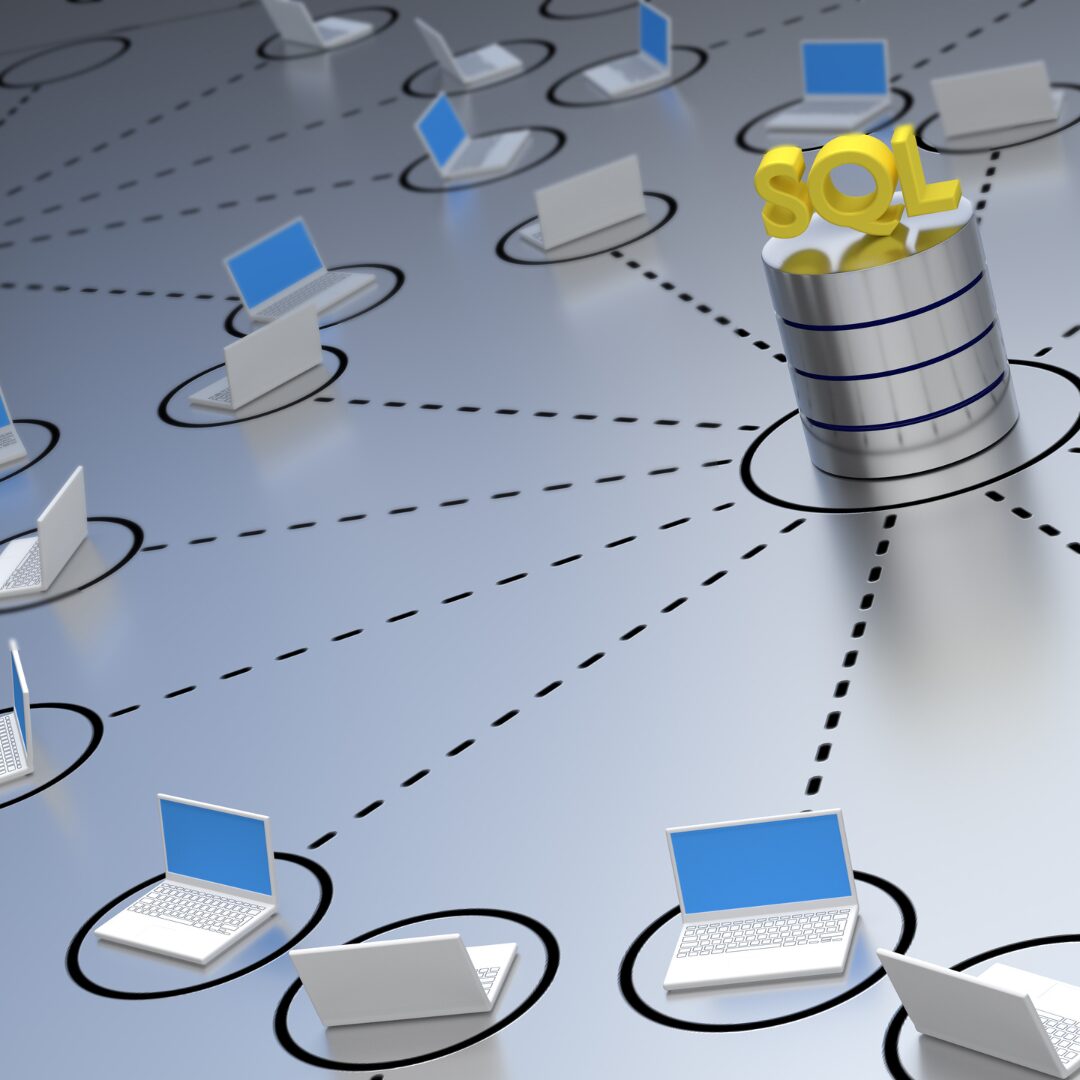
Brands are constantly seeking ways to improve outreach, build loyalty, and increase conversions. While email marketing has been a dominant channel for decades, database marketing represents a broader and more strategic approach. Many business owners, particularly small businesses and growing brands, often confuse the two. They assume email marketing alone is sufficient, without realizing how database marketing provides a deeper layer of personalization, targeting, and customer understanding.
Database marketing explained in simple terms is the practice of using organized customer data to guide marketing campaigns across multiple channels, not just email. This approach goes beyond sending newsletters or offers. It includes building a system where demographic data, behavioral patterns, and purchase histories are analyzed to create meaningful interactions. By learning the difference between database marketing and email marketing, brands can unlock stronger customer relationships and sustainable growth.
What is Database Marketing?
Database marketing is a strategy that uses detailed customer data to design targeted marketing campaigns. At its core, it involves collecting, organizing, and analyzing data from different sources, website activity, purchase histories, social media engagement, and customer service records. This comprehensive pool of information provides insights that help businesses understand who their customers are and how they behave.
Unlike traditional approaches where a single message is broadcast to everyone, a database marketing strategy ensures each customer segment receives content aligned with their needs. For example, a coffee shop might notice one group of customers consistently buying cappuccinos while another prefers iced beverages. With this knowledge, they can design separate promotions for each segment.
For small businesses especially, database marketing explained this way shows how customer data can be turned into actionable insights. It is not about collecting as much data as possible but about organizing it effectively. This clarity leads to outreach campaigns that feel personal and relevant, improving customer engagement while optimizing marketing spend.
How Database Marketing Differs from Email Marketing
Email marketing is often seen as the foundation of digital outreach. It involves crafting emails, promotions, newsletters, updates, and sending them to subscribers. While this is useful, it represents just one piece of the broader database marketing strategy.
Database marketing, in contrast, is not restricted to one channel. It supports communication through SMS, direct mail, social media, in-app notifications, and of course, email. This multi-channel integration ensures customers experience consistent messaging wherever they interact with the brand.
Consider a growing fashion retailer. Through email marketing alone, they can send seasonal promotions to their subscriber list. But through database marketing, they can segment based on purchase history, browsing behavior, and demographics. The retailer might send a personalized push notification recommending shoes to someone who recently bought a dress, while sending an SMS coupon for winter jackets to customers in colder regions.
This illustrates the strategic value of database marketing. It goes beyond sending messages to building a relationship where every touchpoint feels curated. For growing brands, understanding this difference is crucial because it explains why database marketing matters for customer retention and long-term success.
The Strategic Value of Database Marketing
The benefits of database marketing for customer outreach extend far beyond campaign delivery. The strategy emphasizes precision, ensuring marketing resources are used efficiently. By identifying high-value customers, businesses can focus on those most likely to convert, rather than wasting effort on uninterested audiences.
Another advantage is the ability to track and measure performance more accurately. Database-driven campaigns make it easier to connect customer responses back to specific data segments. This provides clarity on what works and what needs improvement. A small bookstore might notice higher engagement when sending personalized reading lists compared to generic offers. That insight helps refine the strategy further.
When executed well, database marketing creates a cycle of continuous improvement. Each campaign generates new data, feeding the system and sharpening future outreach. This feedback loop is invaluable for growing brands, as it helps them scale without losing personalization.
Building a database marketing strategy requires commitment. It starts with collecting reliable data, organizing it systematically, and using the right tools, such as CRM software, to analyze and activate insights. For businesses accustomed to spreadsheets, the transition to CRM-driven strategy is an essential step. It transforms raw numbers into actionable intelligence, setting the foundation for scalable and meaningful customer engagement.
Organizing Customer Data Effectively
To unlock the potential of database marketing, businesses must organize their customer data properly. Scattered spreadsheets or incomplete lists can limit effectiveness. Instead, the goal is to create a unified view of the customer.
This involves consolidating demographic data, such as age, location, and income, with behavioral insights like browsing history, purchase frequency, and engagement rates. The difference between demographic and behavioral segmentation is significant. Demographic segmentation tells you who your customers are, while behavioral segmentation reveals what they do. Both are important, but behavioral insights often provide a stronger basis for crafting targeted campaigns.
For example, a software company might notice two customers are of similar age and profession, but one regularly downloads trial versions while the other only engages with webinars. Treating these two identically would miss critical nuances. With organized customer data, campaigns can be tailored more effectively to reflect actual behavior.
The best practices for organizing marketing data involve ensuring accuracy, consistency, and accessibility. Outdated or duplicate entries should be cleaned regularly. Data must also be accessible across departments so customer service, sales, and marketing teams can work from the same information. This cross-functional clarity improves efficiency and customer satisfaction.
The Power of Data Segmentation
Segmentation is the cornerstone of database marketing. It transforms a large, anonymous customer base into distinct groups with shared characteristics. By dividing audiences, businesses can ensure campaigns feel personal and relevant.
How to segment customer data for marketing depends on the business goals. Some companies focus on demographic segmentation, grouping customers by age, gender, or location. Others rely more heavily on behavioral segmentation, identifying patterns like cart abandonment, purchase frequency, or product preferences. Both approaches are valuable, and when combined, they create a robust picture of customer needs.
Behavioral segmentation examples illustrate the power of this method. A streaming service may identify viewers who binge-watch entire seasons in one weekend versus those who watch only documentaries. With these insights, it can recommend tailored content, send reminders, or even adjust pricing models.
Segmentation improves conversion rates by ensuring campaigns align with actual interests. Instead of overwhelming customers with irrelevant offers, businesses send targeted messages that resonate. For small businesses, this is especially valuable because limited budgets can be allocated more effectively toward high-impact campaigns.
From Segmentation to Personalization
Once segmentation is in place, the next step is personalization. Personalized marketing uses customer data to create experiences that feel unique to the individual. This is where database marketing shows its true power compared to generic email blasts.
Using past purchases for future campaign targeting is one of the most effective personalization tactics. A pet supply store might recommend grooming products to a customer who recently bought a dog leash. By connecting the dots between transactions, businesses build trust and relevance.
Data-driven targeting for customer engagement is another important approach. Instead of sending one message to all, businesses can create multiple versions of the same campaign, each aligned with different segments. Targeted messaging through CRM data allows for this kind of scale while maintaining precision.
For example, a travel agency can craft separate promotions for adventure seekers, family vacationers, and luxury travelers. Each group receives content aligned with their motivations. This not only improves engagement but also strengthens loyalty, as customers feel understood by the brand.
Driving ROI Through Targeted Campaigns
Personalization is not just about improving customer experience; it directly impacts business performance. Boosting ROI through personalized database marketing has been demonstrated across industries. Targeted campaigns deliver higher open rates, click-through rates, and conversions compared to generic outreach.
How to create campaigns that convert using segmentation involves more than inserting a customer’s first name in an email. It requires aligning offers with needs, delivering them at the right time, and using the right channel. Timing is crucial, as sending a discount code before payday may be more effective than after.
A well-designed database marketing strategy ensures every campaign leverages insights to maximize impact. Instead of guessing, businesses act on data. This not only saves money but also fosters long-term loyalty. Customers are more likely to stick with brands that consistently deliver relevant and timely messages.
The strategic value of database marketing lies in this ability to create meaningful customer journeys. While email marketing plays an important role, it is just one channel within the larger system. Database marketing, when fully embraced, becomes the engine driving sustained brand growth.
Conclusion
The difference between database marketing and email marketing lies in scope, strategy, and depth. Email marketing is a useful tool for direct communication, but database marketing is a comprehensive approach that integrates data, segmentation, and personalization across multiple channels.
For small businesses and growing brands, the choice is not between the two but in recognizing how email fits into the larger database-driven framework. By building a database marketing strategy, organizing customer data effectively, and using segmentation to personalize outreach, businesses can achieve higher engagement and stronger ROI.
Database marketing matters because it allows brands to move beyond generic messaging and build lasting relationships. In a competitive environment where customers expect relevance and personalization, this strategy provides the foundation for long-term success.